
What Is Branded Content? A Complete Guide for 2026
Branded content builds trust by telling stories instead of pushing products. Learn how it works, the main types, and how to create consistent, on-brand visuals at scale.

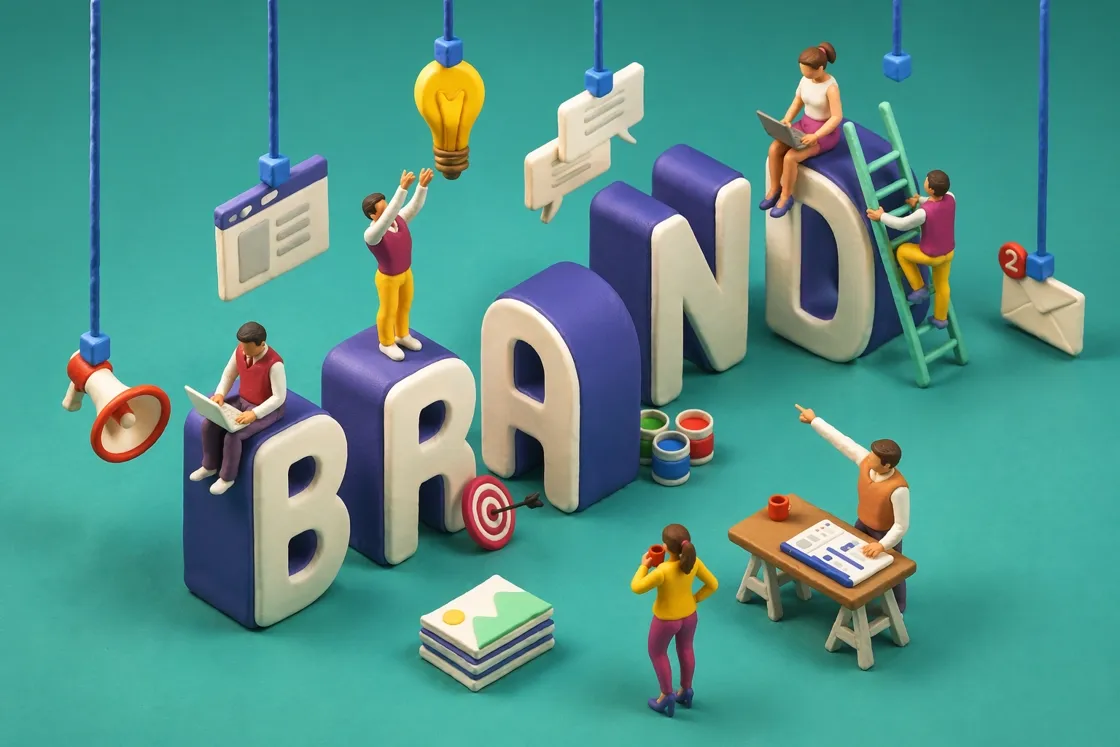
In this guide, we break down what branded content is and why it has become essential for modern marketing. Instead of traditional advertising, brands now focus on storytelling, consistency, and value-driven content that connects with audiences more naturally.
You'll learn the key types of branded content, what makes it work, and how to build a strong strategy that maintains brand identity across platforms. We'll also explore how tools and workflows can help create scalable, brand-compliant content that performs in today's fast-moving digital world.
What is branded content?
Branded content is a marketing approach where a brand creates valuable or entertaining content to engage its audience without directly promoting a product. Instead of hard selling, it uses storytelling, emotion, or useful information to build trust and a meaningful connection with viewers. This makes the content feel authentic rather than advertised, which keeps audiences engaged. It also strengthens brand identity by consistently reflecting a company's values, tone, and personality. At its core, branded content is built to earn attention first and shape how people feel about the brand over time, rather than chase an immediate sale.

Types of branded content (with Examples)
Branded video content
Branded video content includes short-form videos, reels, and storytelling clips that present a brand in an engaging, non-promotional way. It focuses on capturing attention through emotion, creativity, and useful demonstrations rather than direct selling. For example, a skincare brand might show a “day in the life” routine featuring its products naturally in use.
Branded articles & blogs
These are written pieces such as blogs, guides, and editorial articles that educate or inform the audience while reflecting the brand's tone. Instead of pushing products, they focus on solving problems or sharing insights. For example, a fitness brand might publish a blog on “how to build a beginner workout routine at home.”
Social & UGC-style content
This type of content is designed to feel natural on social media platforms, often resembling user-generated posts or influencer-style content. It is usually repurposed from one shoot into multiple formats for TikTok, Instagram, and ads. For example, a fashion brand might repost customer try-on videos or influencer haul clips.
Branded audio & podcasts
Branded audio content includes podcasts and long-form audio storytelling that allows brands to connect more deeply with their audience. It focuses on conversations, insights, and storytelling rather than quick promotional messages. For example, a business software company might host a podcast discussing productivity tips and founder stories.
What makes branded content actually work
Most branded content gets ignored when it feels fake, over-polished, or disconnected from the platform it lives on. The content that works does the opposite:
It feels native to the platform, not like an ad
Effective content blends into the platform it's published on, whether it's TikTok, Instagram, or YouTube. Instead of looking like a traditional advertisement, it matches the style, tone, and pacing users are already used to. This approach is a key principle in successful brand content creation because it improves watch time and engagement.
Emotion and story outperform product features
People connect more with stories and emotions than with technical product details. Content that focuses on real-life situations, struggles, or relatable moments tends to perform better. This is why modern brand content marketing prioritizes storytelling over direct selling.

It stays recognizable and consistent without feeling repetitive
Strong branded content maintains a consistent identity so audiences can instantly recognize the brand. At the same time, it avoids repeating the same message in a boring way by changing formats and angles. This balance is often guided by a clear brand content strategy that keeps everything aligned.
It's built for multiple formats and adapts quickly to trends
High-performing content is flexible and can be repurposed across different platforms and formats. A single idea can become a short video, a reel, a blog snippet, or an ad variation depending on where it is used. This adaptability is a major advantage of modern branded video content production and helps brands stay relevant in fast-changing trends.
How to keep branded content on-brand and compliant
Maintain a consistent brand identity
Every asset should look and sound like your brand—same color palette, typography, logo treatment, and tone of voice—whether it's a TikTok video, an Instagram post, or a paid ad. Consistency is what makes audiences recognize you instantly in a crowded feed, and that recognition is what builds trust and recall over time.
Build a system to stay compliant at scale
The real challenge is producing volume without breaking brand standards. Document your rules in a brand guideline, work from reusable templates and approved asset libraries, and set a clear review step before anything ships. A documented system lets the team move fast while keeping every campaign on-brand.
How Designkit helps brands create better branded content
As brands publish across more platforms, AI has become a practical way to keep up without expanding teams, and that's where Designkit fits. Branded content depends on a steady flow of polished visuals, and producing them consistently is where most teams hit a wall. Designkit uses AI to turn existing product photos into campaign-ready visuals and videos, generate multiple creative directions from a single asset, and format them for every platform, so you can keep publishing on-brand content without expanding the team. It doesn't replace your brand strategy; it removes the production bottleneck that keeps brands from staying active at scale.
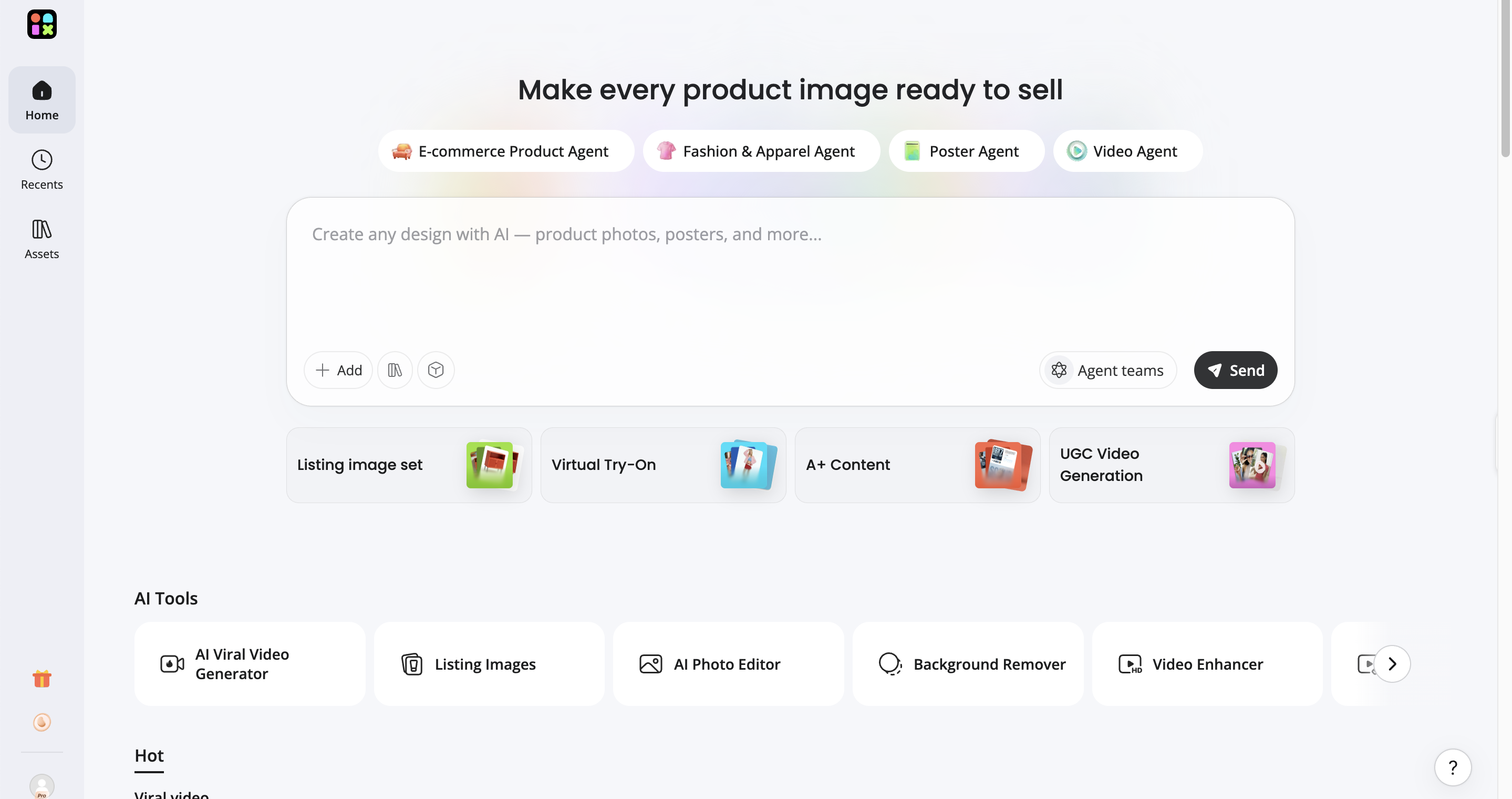
How to create branded content with Designkit
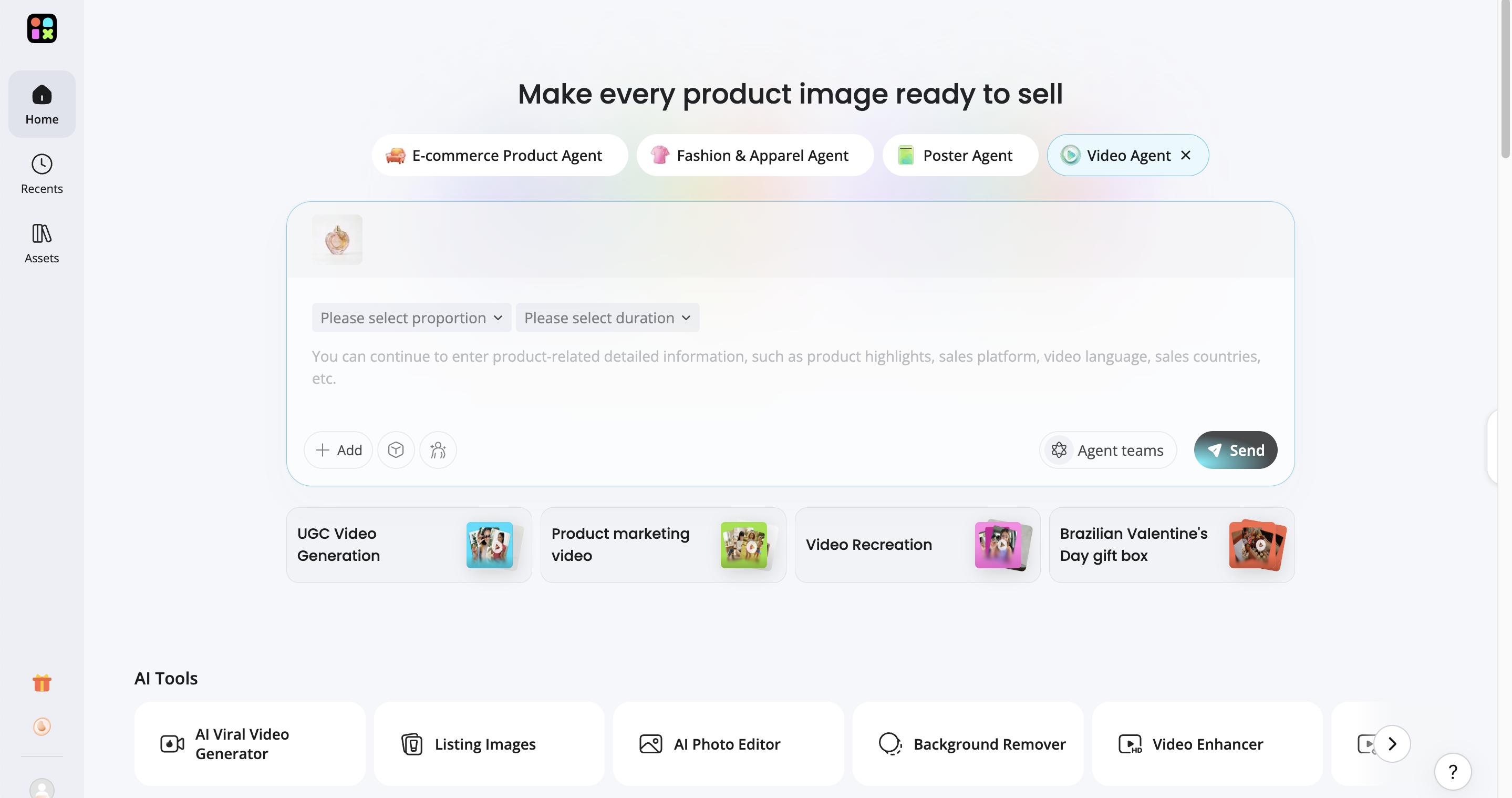
Step 1: Upload your product or brand assets
Upload your existing product photos, logos, or campaign visuals into Designkit, no new shoot or design team required, just the assets you already have.
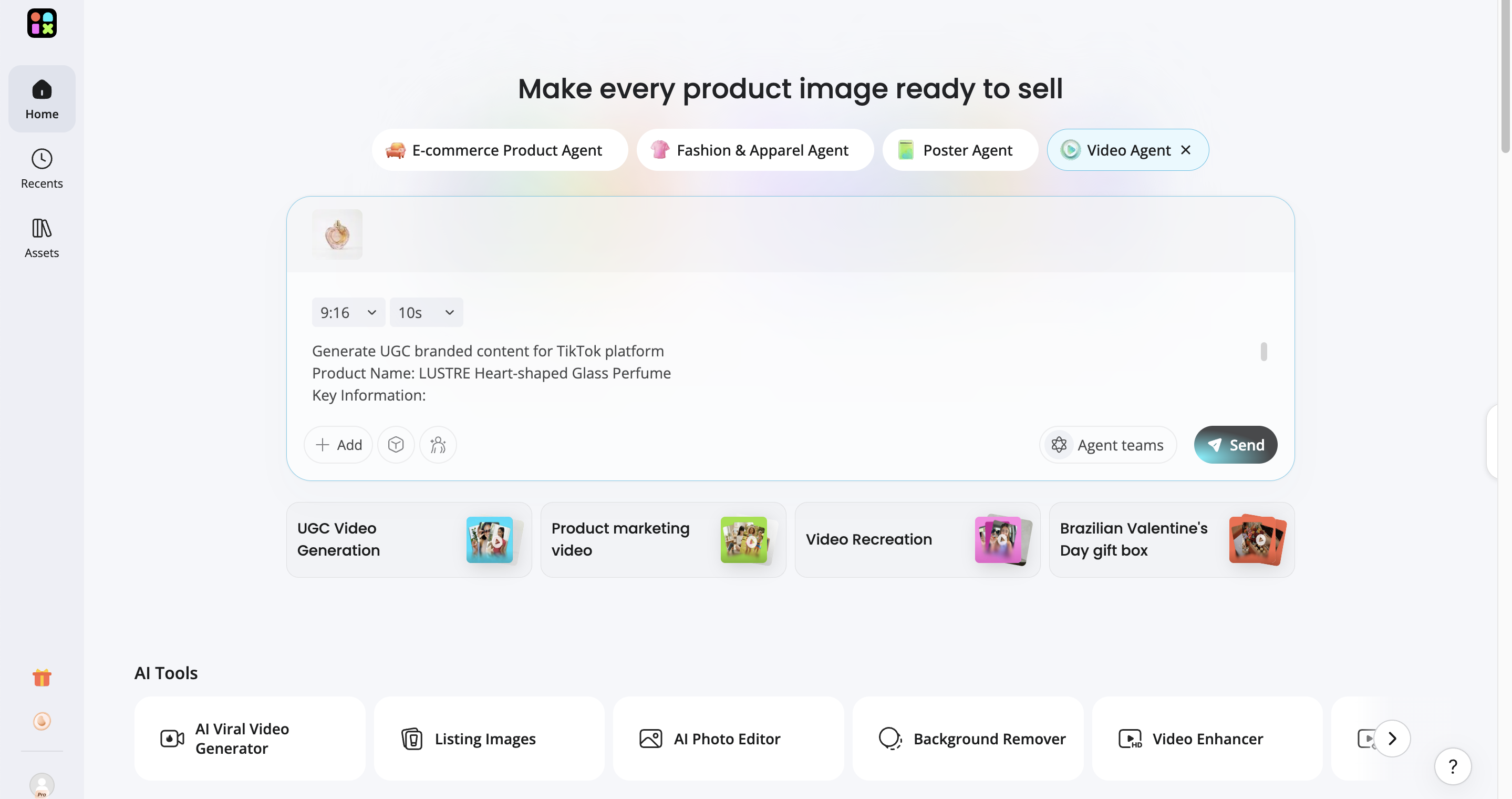
Step 2: Generate brand-focused content
Pick your format and add your key details, then let Designkit's AI generate on-brand videos and multiple creative variations from your uploaded assets, ready to review and refine.
Step 3: Export for social media, ads, or ecommerce
Preview your content, make quick adjustments, then export platform-ready files sized for social feeds, paid ads, and ecommerce listings.
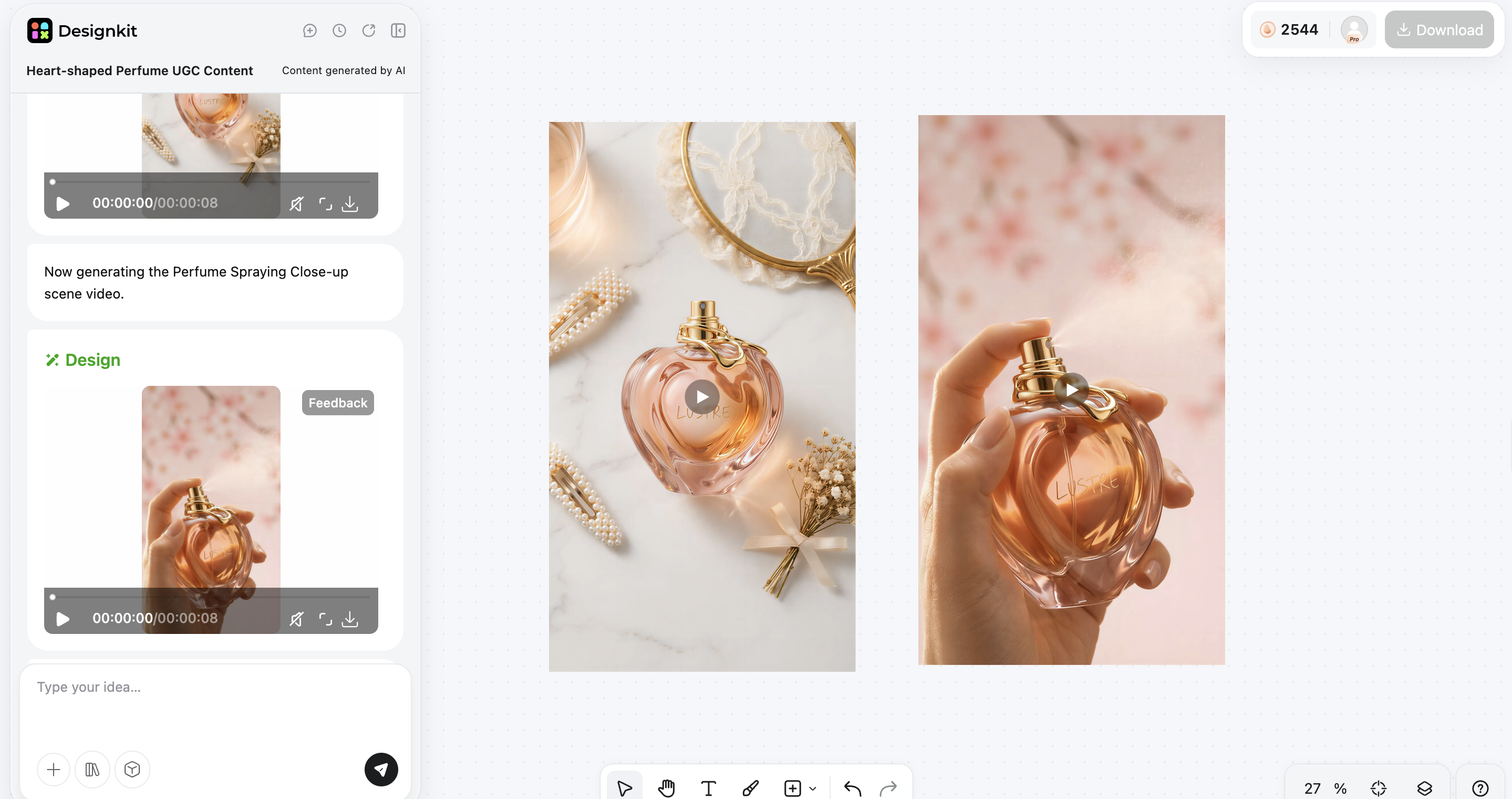
Key features of Designkit
Turn existing product photos into brand campaign assets
Take simple product images and transform them into polished, campaign-ready visuals. Instead of reshooting, you can enhance backgrounds, layouts, and styling to fit different marketing needs—saving time and production cost while keeping output high-quality.
Create native-feeling content for social platforms
Adapt visuals so they feel natural on Instagram, TikTok, and Facebook rather than overly designed or "advertisy." Content that blends with the organic posts users already scroll through earns more engagement and extends reach without disrupting the feed.
Generate multiple creative directions faster
Produce quick variations of the same idea—different styles, layouts, and moods—so you can test what performs best without starting from scratch each time. More options, produced faster, means more winning creatives found.
Format content for every platform from one asset
Designkit adapts a single product visual into the sizes and formats each platform needs—square for Instagram, vertical for TikTok and Reels, wide for display ads. Starting from the same source asset keeps your visuals cohesive across channels without re-creating each one from scratch.
Conclusion
Branded content earns attention by telling stories and delivering value instead of pushing products—and when it's consistent across platforms, it builds the kind of trust that keeps a brand memorable. The hard part isn't the idea; it's producing enough on-brand content to stay active everywhere. Tools like Designkit close that gap by turning your existing product photos into campaign-ready visuals and videos in minutes.
Frequently Asked Questions
How does branded content video production improve engagement on social media?
What is brand-compliant marketing content and why is it important?
Brand-compliant marketing content ensures every creative person follows consistent brand rules like colors, fonts, tone, and visual style. It is important because it builds recognition and trust across all campaigns. With Designkit, brands can apply preset brand kits, so every design automatically stays aligned without needing manual adjustments each time.
What types of branded content work best for social media?
Short-form videos, UGC-style posts, product storytelling visuals, and fast-turnaround creative variations perform best on social media. These formats feel natural and engaging on platforms like Instagram and TikTok. Designkit helps by generating multiple social-ready variations from one product image, making it easier to test and scale winning content.
How do businesses ensure brand-compliant content creation across campaigns?
Businesses maintain consistency by using shared templates, brand guidelines, and centralized creative systems. This ensures all campaigns follow the same visual identity. Designkit simplifies this by offering reusable design systems where every new asset automatically follows the same brand style across all campaigns.
What is a branded content agency and when should a business use one?
A branded content agency helps businesses plan and create high-quality storytelling content at scale. Companies usually hire them when they need strategy, creative direction, or large production output. Designkit reduces this dependency by enabling in-house teams to produce agency-level branded visuals faster and without heavy production costs.
What is the best tool for creating branded social media video content?
The best tool for creating branded social media video content is one that helps brands produce visuals quickly while maintaining consistency across platforms. Designkit stands out because it transforms product photos into social-ready branded video content, ad creatives, and campaign visuals without requiring advanced editing skills. It also supports faster brand content generation by helping teams create multiple creative variations for platforms like Instagram, TikTok, and Facebook while keeping visuals aligned with brand identity.
How can brand content creators improve consistency in branded campaigns?
Creators can improve consistency by using fixed templates, reusable styles, and centralized brand assets across all content. This avoids random design variations and keeps campaigns unified. Designkit strengthens this process by locking in brand settings, so every creative automatically matches the same visual identity.
What is branded content production and what does the process include?
Branded content production includes planning, designing, adapting, and distributing content that aligns with brand identity while engaging audiences. Normally, this requires multiple tools and steps. Designkit streamlines the entire process by enabling fast asset creation, instant variations, and consistent brand styling in one place.
You May Also Like

Inbound Marketing: Strategies, Examples & Tools (2026)

What Is Performance Marketing? Strategies & Examples 2026

What Is Video Marketing? E-commerce Guide & Strategies 2026
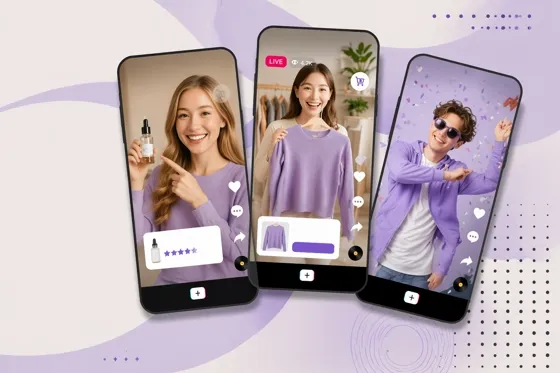
Short Form Video Marketing for E-commerce: AI Video Guide
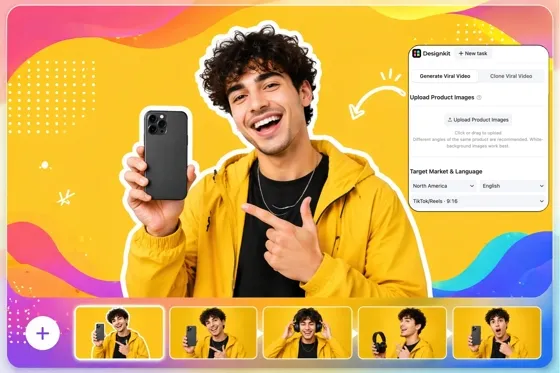
Ecommerce Video Ads: 7 Strategies That Drive Higher Conversions
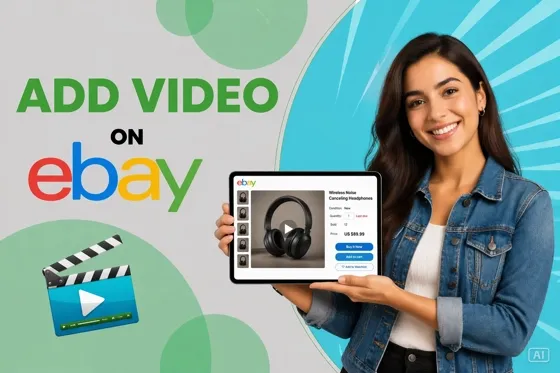
How to Add Video to eBay Listing: Step-by-Step Seller Guide

How to Boost Ecommerce Sales: Proven Strategies That Work
Your Brand, Perfected in Seconds
No more inconsistent visuals or low-quality assets. Designkit transforms random files into sharp, ready-to-use branded content.